Checklist for Choosing Satellite GPS Trackers
Michael Bar
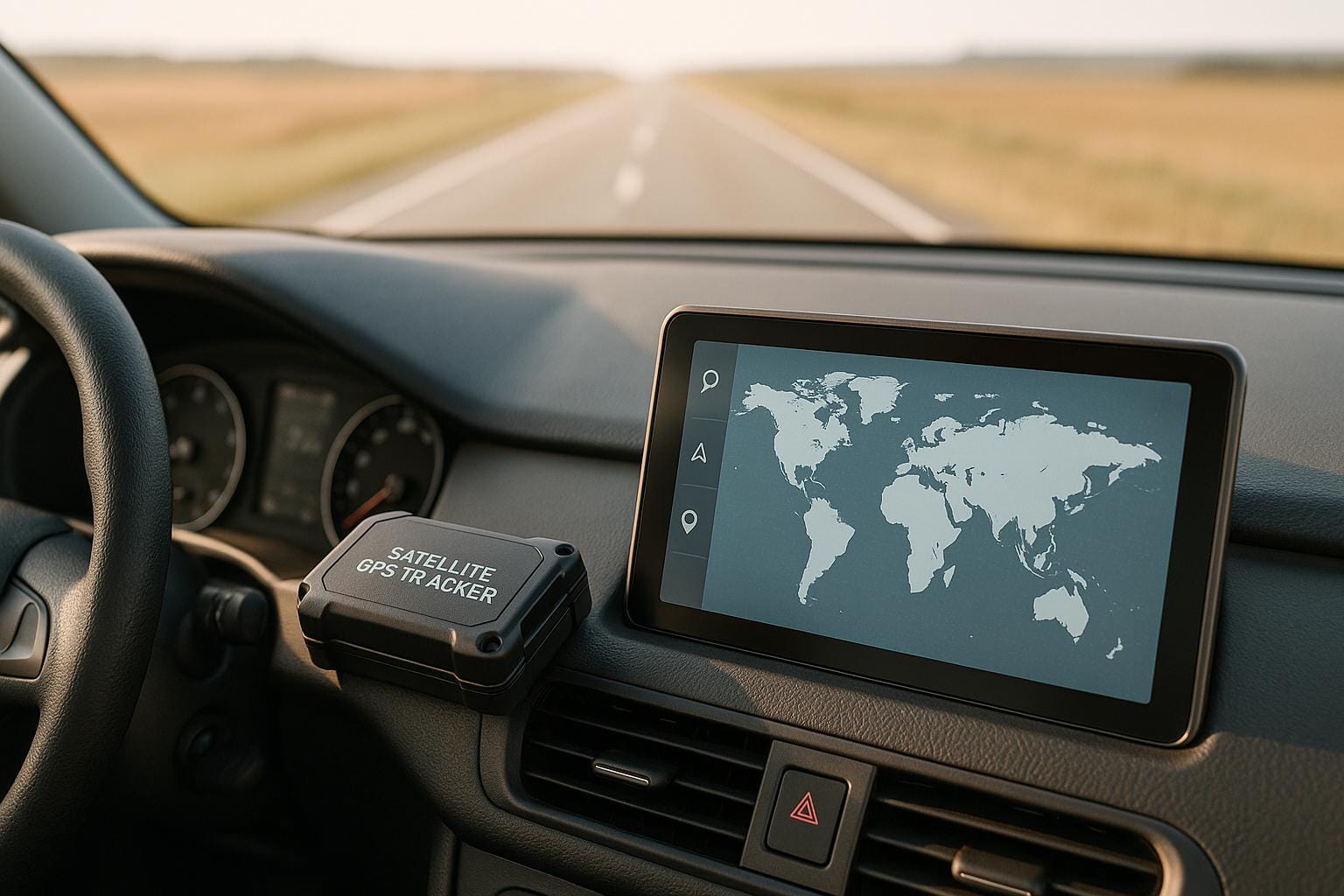
Satellite GPS trackers are essential for reliable location tracking in vehicles, assets, and fleets. They improve efficiency, reduce costs, and enhance security. Here's what to focus on when choosing one:
- Coverage: Choose devices with multi-satellite support (e.g., GPS, GLONASS, Galileo) for dependable tracking, especially in remote or urban areas with poor mobile signals.
- Durability: Look for IP68-rated trackers to handle harsh UK weather, including rain and dust.
- Power Options: Match your needs - hardwired for continuous tracking, or battery-powered for non-powered assets. Features like low-battery alerts ensure uninterrupted performance.
- Data Integration: Opt for trackers with APIs to integrate with your fleet management systems, enabling real-time updates and automated reporting.
- Cost: Expect hardware prices between £35–£400 and monthly fees of £5–£20. Evaluate total long-term costs, including installation and maintenance.
- Security: Advanced features like dual-tracker setups, remote immobilisation, and compliance with Thatcham/TASSA standards offer better theft protection and may lower insurance premiums.
- Support: Reliable 24/7 UK-based support and solid warranties are crucial for resolving issues quickly and reducing downtime.
Quick Tip: GRS Fleet Telematics offers dual-tracker systems, real-time tracking, and affordable options starting at £7.99/month per vehicle, with a 91% recovery rate for stolen vehicles.
Top 4 BEST GPS Trackers (2025) | Features & Installation | SafeTag Trackers
Main Factors to Consider When Choosing Satellite GPS Trackers
When selecting satellite GPS trackers, it’s crucial to weigh several factors to avoid issues like limited coverage, unexpected maintenance, or hidden costs.
Coverage and Network Support
To ensure dependable tracking, you need comprehensive satellite coverage, especially in areas where mobile networks struggle. For instance, rural regions in Scotland, Wales, and parts of Northern England often face patchy mobile signals. In such locations, strong satellite connectivity becomes indispensable.
Devices that support multiple satellite constellations - such as GPS, GLONASS, and Galileo - can enhance accuracy and reliability, even in challenging environments like urban areas with tall buildings or natural obstructions. If your business operates across borders, look for trackers compatible with global networks like Iridium or Globalstar to maintain uninterrupted coverage throughout Europe and beyond.
Device Durability and Weather Resistance
Given the unpredictable UK weather, trackers must be tough enough to withstand everything from heavy rain to gusty coastal winds. Opt for devices with an IP68 rating, which offers strong protection against water and dust, ensuring they perform reliably even in harsh conditions.
Durability also extends to temperature tolerance and impact resistance. For added security, choose tamper-proof models with secure mounting systems. These features minimise downtime and help keep maintenance costs under control.
Battery Life and Power Options
Battery life is a critical factor, especially for uninterrupted tracking. The power source you choose should align with your operational needs, as different trackers offer varying capabilities:
| Tracker Type | Power Source | Installation | Battery Life | Best Use Case |
|---|---|---|---|---|
| Hardwired | Vehicle battery | Professional | Continuous | Heavy-duty vehicles, regulatory compliance |
| Self-install | Vehicle battery | Plug-and-play | Continuous | Light-duty vehicles, flexible fleets |
| Battery-powered | Internal battery | Adhesive/magnetic | Up to 10 years | Non-powered assets, trailers, containers |
Hardwired trackers, which draw power directly from a vehicle's electrical system, provide continuous monitoring without interruptions. For example, GRS Fleet Telematics employs a dual-tracker setup to ensure constant surveillance.
On the other hand, battery-powered trackers are ideal for non-powered assets like trailers or shipping containers. Depending on the reporting frequency, these devices can last up to 10 years. To avoid unexpected downtime, many systems include low-battery alerts, notifying users before power runs out.
Keep in mind that how often a tracker reports its location significantly affects battery consumption. Configuring the reporting intervals to match your operational needs can help strike the right balance between performance and power efficiency.
Data Reporting and System Integration
Effective data reporting and seamless system integration unlock the full potential of satellite GPS tracking. Without accessible data and compatibility with your existing fleet management tools, tracking devices can't deliver their intended benefits. Let’s now dive into the importance of real-time tracking features.
Real-Time Tracking and Alerts
Real-time tracking plays a crucial role in fleet management by providing constant, up-to-the-minute updates on vehicle locations. The most reliable satellite GPS trackers ensure continuous monitoring without delays, so you’re always informed about the whereabouts of your assets.
Features like geofencing alerts notify you immediately when vehicles enter or exit specific areas, while tamper alerts detect attempts to disable or remove tracking devices. Additional tools, such as movement alerts and SOS signals, enhance asset security and enable quick responses during emergencies.
A great example of this is GRS Fleet Telematics, which offers real-time GPS tracking with live location updates, speed monitoring, and vehicle status insights. Their system includes customisable alerts for geofencing, theft, and speed violations - all accessible through an easy-to-use mobile app, perfect for managing fleets on the go.
For added security, consider trackers that adhere to Thatcham S5 standards, which include features like remote immobilisation and driver ID verification. These advanced systems provide a higher level of protection beyond basic location tracking.
Next, let’s look at how software and API integration can streamline your operations.
Software and API Integration
API support is a key factor in ensuring that GPS tracker data integrates smoothly with your business systems. Without standardised APIs, you may face challenges like manual data entry, increased errors, and inefficient workflows.
With standard APIs, automated data exchange between GPS trackers and fleet management software becomes possible. This enables real-time updates, custom reporting, and seamless integration with other tools, reducing administrative burdens and ensuring consistent data across platforms.
Mobile apps further enhance tracking capabilities for teams on the move. Apps that provide driver behaviour analysis and detailed reporting are especially useful for mobile workforces, offering valuable insights wherever they are.
GRS Fleet Telematics also caters to integration needs with a white-label option, allowing companies to rebrand the telematics platform and tracking interface for internal use or resale. While this flexibility is appealing, it’s essential to review API documentation and integration support during the evaluation process.
Common challenges include data format mismatches and limited API compatibility. To address these, opt for trackers with standardised APIs and ensure software compatibility before implementation. Providers offering comprehensive integration support and clear documentation can make a significant difference.
Another valuable feature is over-the-air configuration, which allows remote updates and adjustments without needing physical access to the devices. This reduces maintenance costs and keeps devices updated with the latest features and security enhancements - a major advantage for large fleets where manual updates would be time-consuming.
When assessing integration options, request demonstrations to see how data flows between the tracker and your existing systems. Confirm that the integration aligns with your specific reporting needs and compliance requirements, as retrofitting these capabilities later can be both costly and challenging.
Cost and Subscription Plans
When evaluating satellite GPS trackers, it's crucial to weigh both the upfront hardware costs and the ongoing subscription fees. These expenses can vary depending on the features and level of service you require.
Hardware Costs and Monthly Fees
In the UK, basic satellite GPS trackers typically cost between £35 and £99, while more advanced devices with subscription-based services range from £200 to £400. For businesses seeking reliable tracking solutions, GRS Fleet Telematics offers three hardware options:
- Essential (£35): A single wired tracker designed for economical real-time tracking.
- Enhanced (£79): Includes a primary tracker paired with a Bluetooth backup for added theft protection.
- Ultimate (£99): Features both trackers, along with an immobilisation function for maximum security.
Subscription fees for these devices generally fall between £7.99 and £20 per month per device. GRS Fleet Telematics provides a competitive rate of £7.99 per vehicle, covering all standard features without hidden costs. This subscription includes benefits such as dual-tracker security (with a 91% recovery rate), real-time tracking with geofencing, driver monitoring, fleet analytics, mobile app access, 24/7 support, and white-label branding.
Installation costs depend on the tracker type. GRS Fleet Telematics offers free installation when bundled with fleet branding services through their graphics division. Other installation options are available upon request.
These initial and recurring costs are just one part of the overall financial picture.
Total Cost of Ownership
To get a complete understanding of the financial commitment, you should also consider long-term costs like installation, maintenance, and any pay-per-recovery fees. While these add to the total cost of ownership (TCO), operational savings from better route planning, improved fuel efficiency, and theft prevention can significantly offset these expenses.
For instance, GRS Fleet Telematics' ROI Calculator highlights potential monthly savings of £1,224.52 and annual savings of £14,694.25, with an ROI of 2,965% and a payback period of just 0.3 months. Additionally, the lifespan of the devices and the frequency of upgrades or replacements are important factors to consider. Devices with extended battery life can help reduce maintenance costs over time.
Although pay-per-recovery services come with an additional charge when recovering stolen assets, the high recovery rate - such as the 91% achieved by GRS Fleet Telematics - can limit losses from theft and may even lead to lower insurance premiums.
To optimise costs, consider strategies like comparing quotes from multiple providers, selecting devices with long-lasting batteries and minimal maintenance needs, and choosing scalable solutions that integrate easily with your existing systems. Providers offering warranties and efficient customer support can also help reduce downtime and unexpected expenses, boosting the long-term value of your investment.
As the industry moves towards subscription-based models that bundle hardware and services, upfront costs have become more accessible. However, it’s essential to evaluate the long-term financial impact. Features like enhanced security, 24/7 support, and fleet management tools should be assessed to determine if they justify higher monthly fees based on your specific business needs.
Security Features and Theft Recovery
When it comes to protecting your assets, reliable tracking is just the beginning. Strong security features and effective theft recovery services are key to keeping your vehicles safe. The best satellite GPS trackers go beyond basic functionality, offering layered security to deter theft and improve recovery rates. Let’s dive into some of the advanced technologies that make this possible.
Dual-Tracker Technology and Immobilisation
Dual-tracker technology is widely regarded as a top-tier solution for vehicle security. By using two independent tracking systems, it ensures uninterrupted monitoring - even if one system is compromised. This setup typically pairs a hardwired GPS tracker with a hidden Bluetooth backup. The primary tracker handles routine monitoring, while the backup remains inactive until needed, stepping in if the main unit is tampered with. This redundancy significantly increases the chances of recovery.
Another powerful feature is remote immobilisation. This allows authorised personnel to disable the engine remotely, preventing the vehicle from being started. Not only does this act as a deterrent to thieves, but it also aids in recovery by stopping the vehicle from being moved further.
GRS Fleet Telematics integrates these features into their Enhanced (£79) and Ultimate (£99) packages. The Ultimate package even includes full immobilisation capabilities, offering an extra edge in security.
Driver ID verification adds another layer of control, ensuring only authorised individuals can operate the vehicle. Additionally, tamper alerts provide instant notifications if someone attempts to interfere with the tracking device. For UK businesses, opting for Thatcham or TASSA-approved trackers is a smart move - not only do they meet insurance standards, but many insurers also offer premium discounts for these systems.
24/7 Support and Recovery Services
Hardware alone isn’t enough; having access to round-the-clock support is crucial for effective theft recovery. Since theft can happen at any time, immediate alerts and quick response times make all the difference. Recovery teams rely on tracker data to locate stolen vehicles and work closely with law enforcement to ensure a swift resolution.
GRS Fleet Telematics provides 24/7 recovery support to UK businesses, ensuring help is always available when needed. Their recovery teams maintain direct communication with police forces and use advanced tracking data to facilitate quick and accurate retrieval of stolen assets.
Experienced recovery agents bring valuable expertise to the table. They understand criminal behaviour and offer the technical know-how required to navigate theft scenarios effectively. When choosing a provider, it’s worth considering those with a strong track record, established relationships with law enforcement, and comprehensive coverage across the UK. By combining cutting-edge tracking technology with dedicated recovery services, businesses can protect their assets and minimise disruptions caused by theft. This proactive approach not only safeguards vehicles but also keeps operations running smoothly.
Customer Support and Warranty
Strong customer support and warranty coverage are essential for keeping fleets running smoothly and safeguarding your investments. Technical hiccups, installation concerns, or operational challenges are bound to arise, so having quick access to knowledgeable support can make all the difference in maintaining efficiency and protecting your assets.
For UK fleet managers, local support teams are a game-changer. They offer not only quicker response times but also a deep understanding of UK-specific regulations - vital for handling urgent issues like equipment malfunctions or theft recovery.
In fact, over 70% of fleet managers in the UK consider responsive support and solid warranty coverage a top priority. This highlights just how critical dependable after-sales service is for ensuring uninterrupted operations.
GRS Fleet Telematics addresses these needs with 24/7 UK-based customer support and emergency assistance. Their service, priced at £7.99 per vehicle per month, comes with no hidden fees, offering transparency and reliability.
When it comes to warranties, comprehensive coverage is key. A good warranty should cover both hardware and software, protecting against manufacturing defects, device failures, and software glitches. The best options include free repairs or replacements, regular software updates, and clearly defined terms about what’s covered and for how long. Many top UK providers now offer extended warranties of up to three years, meeting the growing demand for long-term reliability and peace of mind.
Want to gauge the quality of support? Start by testing the waters - reach out with pre-sales queries, check online reviews, and verify that the contact details are UK-based. It’s also worth confirming the available support channels, their hours of operation, escalation processes, and the specifics of the warranty policy.
A solid warranty doesn’t just cut down on repair costs - it also ensures access to software updates and technical support, ultimately reducing the total cost of ownership as your fleet’s needs evolve.
GRS Fleet Telematics: A Trusted Solution
When it comes to satellite GPS trackers, GRS Fleet Telematics stands out as a reliable option for UK businesses. Their advanced van tracking systems tick all the boxes for fleet managers looking for dependable, high-performance technology. Here's a closer look at how their features come together to create an effective fleet management solution.
One of the standout aspects of GRS Fleet Telematics is their dual-tracker system, which combines a hardwired tracker with a hidden Bluetooth backup. This setup delivers an impressive recovery rate of 91%, far surpassing the 60-70% rates typically achieved by standard single-tracker systems.
Cost is another area where GRS Fleet Telematics excels. With pricing starting at just £7.99 per vehicle per month and no hidden fees, it’s an affordable option for businesses across the UK. The system also meets Thatcham and TASSA standards, which not only ensures compliance but can also help reduce insurance premiums.
But GRS Fleet Telematics offers more than just tracking. Their system includes a full range of fleet management features and integrates smoothly with existing systems through standard APIs. This makes it a practical choice for businesses aiming to improve operational efficiency.
On top of their robust technology and affordability, GRS Fleet Telematics provides 24/7 UK-based support. Whether it’s a technical issue, a theft incident, or an operational question, their team is ready to assist, drawing on their knowledge of UK regulations and business needs.
For businesses looking to maximise the value of their investment, GRS Fleet Telematics delivers impressive results. Customers report monthly savings of £1,224.52 and annual savings of £14,694.25, with a return on investment of 2,965% and a payback period of just 0.3 months. These savings stem from reduced theft risks, improved operational efficiency, and lower insurance costs.
| Feature | GRS Fleet Telematics | Standard GPS Trackers |
|---|---|---|
| Technology | Dual-tracker system | Single tracker |
| Recovery Rate | 91% | 60-70% |
| Monthly Cost | £7.99 | £5-£20 |
| UK Insurance Compliance | Yes (Thatcham/TASSA) | Varies |
| 24/7 UK Support | Included | Often extra cost |
These features highlight why GRS Fleet Telematics is a trusted choice for businesses finalising their tracker selection. It’s a solution that combines advanced technology, cost-effectiveness, and reliable support to meet the needs of modern fleets.
Conclusion: Making the Right Choice
Choosing the right satellite GPS tracker means carefully weighing factors that impact security, efficiency, and overall costs. Start with coverage and network support - your tracker must operate reliably across all the areas you need it to. Opt for devices with multi-constellation support to ensure strong and consistent coverage.
The UK's unpredictable weather makes device durability and weather resistance a key consideration. Look for hardware specifically tested for these conditions. While this might mean a higher upfront cost, it saves money in the long run by reducing replacements and ensuring continued performance.
Next, think about how well the tracker will work with your existing systems. Integration capabilities are crucial for streamlining operations. Devices that offer standardised APIs or are compatible with your current fleet management platforms allow for real-time tracking, automated reporting, and smoother compliance with regulations.
When it comes to cost, don’t just focus on the initial hardware price, which typically ranges from £200 to £400. Factor in the total cost of ownership, including installation, maintenance, and potential savings on insurance. Using Thatcham or TASSA-approved trackers can help reduce insurance premiums .
Security is another critical aspect. Features like dual-tracker technology, remote immobilisation, and compliance with UK standards not only protect your assets but may also lead to lower insurance costs.
Finally, ensure you have access to reliable support and warranties. A 24/7 UK-based support team can address issues quickly, with a solid understanding of local regulations, helping to minimise any disruptions.
FAQs
What should I consider when choosing satellite coverage for GPS tracking in remote areas?
When choosing satellite coverage for GPS tracking in remote areas, there are a few important aspects to keep in mind. Start by ensuring the tracker offers either global or regional satellite coverage that matches the specific areas you operate in. This is particularly crucial for rural or hard-to-access locations where coverage can be inconsistent.
Another key factor is the reliability of the connection. The tracker should maintain consistent tracking performance, even in tough environments. Also, make sure the device is compatible with your vehicles and includes features like real-time monitoring and enhanced security to protect your assets effectively.
GRS Fleet Telematics delivers van tracking solutions designed with robust security in mind, featuring dual-tracker technology and an impressive 91% vehicle recovery rate. Prices start at just £7.99 per month, making it a cost-effective choice for safeguarding your fleet.
What should I consider when calculating the total cost of satellite GPS trackers?
When thinking about the total cost of satellite GPS trackers, there's more to consider than just the initial price tag. Subscription fees are a big factor - they can differ based on the service level and coverage you need. On top of that, don’t forget to account for potential installation charges or ongoing maintenance costs that could add up over time.
You’ll also want to think about device durability. While a cheaper tracker might seem like a good deal upfront, frequent replacements could make it more expensive in the long run. Lastly, check if the tracker works seamlessly with your existing systems; otherwise, you might face extra integration expenses. Weighing all these aspects will help you make a smarter choice about your investment.
How does API integration improve my fleet management system when using satellite GPS trackers?
API integration can take your fleet management system to the next level by creating a direct link between your satellite GPS trackers and other software tools. This connection enables real-time data sharing, making it easier to keep tabs on vehicle locations, fine-tune routes, and monitor performance metrics with greater accuracy.
It doesn’t stop there - API integration can also automate repetitive tasks like generating reports or sending out maintenance alerts. By cutting down on manual work, it helps save time and keeps your fleet running efficiently while keeping costs under control.